
You Just Fell: Now What? Fall Recovery for Older Adults
A sudden fall can cause significant injury at any age, however our bodies become particularly susceptible to significant fall-related injuries as they age. According to the most recent data from the Centers for Disease Control, nearly 3 million adults aged 65 and older were brought to a hospital emergency room in 2021, and more than 38,000 older adults were fatally injured in accidental falls.
This vulnerability towards falls stems from several elements of the aging process: changes in gait and balance, decreased bone density, and changing eyesight all play roles in making falls a greater hazard as we age.
While fall prevention remains the best way to mitigate the risk of falls, accidents can still happen, so knowing how to respond immediately following a fall is critical to an older adult’s long-term health and independence. 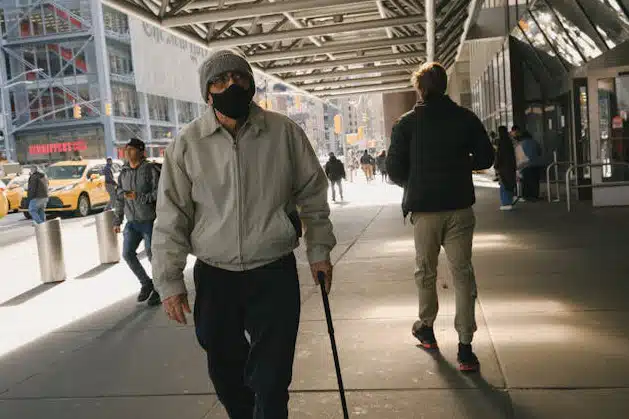
For more information on fall prevention, please review the material at the bottom of this article.
What to do after a fall
Stay calm and still: Your first instinct after a fall will likely be to get back up, especially if you fall in public and feel embarrassed. Resist the temptation to immediately begin moving to minimize the risk of further injury. Take a moment to catch your breath and assess your condition.
Check for pain and injuries: You might feel shock immediately after a fall. Take a moment to detect if you are feeling any sharp pain, particularly in your head, neck, back, hips, arms, and legs.
If you do not feel immediate pain while holding still, slowly move your body to assess for pain. Try starting by moving your toes and work your way up your body, checking for pain during motion. If you feel pain at any time, stop and consider calling for emergency assistance.
Check for bleeding: If you do not feel sharp pain when moving, check your body for abrasions and bleeding. You may have scrapes on the parts of your body that hit the floor, but take particular care to check your face, head, and scalp for bleeding. Head wounds can bleed much more than other parts of your body and can pose a significant hazard.
If you do detect bleeding, remain calm and apply gentle pressure to the wound using a cloth or other nearby material.
Rest: A sudden fall can be a serious shock, so resist the temptation to immediately get up. Breathe and rest for a few minutes if you are not in a location that puts you in immediate harm, like the middle of the street.
If you are in public, people are likely to come to your aid. This can feel somewhat overwhelming, and they may rush to immediately get you on their feet. Don’t be afraid to firmly state that you need a moment before you begin moving. While their efforts to get you upright are well-intentioned, getting up too quickly or before you are confident you can stand might result in a second fall and further injury.
Get help: If you felt significant pain when checking your body, detected significant bleeding, or feel dizzy, stop and call for help, either using your phone, asking someone else to call for help, or using a personal emergency device to contact medical assistance.
If you fall in a place where you are isolated, no one is around to assist you, or your phone is not within reach, don’t be afraid to shout or use nearby objects to make noise in order to alert others that there has been an emergency.
When to stay down: If you feel sharp pain, suspect a serious injury, can’t feel a part of your body, are bleeding significantly, feel you may have lost consciousness, notice a change in vision, a ringing in your ears, dizziness, slurred speech, or any other signs of serious injury, remain where you fell and immediately call for help. The risk of further injury due to a second fall cannot be ignored.
How to get up from a fall: If you do not detect any major injuries and have given yourself sufficient time to ensure you are not experiencing any signs of shock or dizziness, it is now time to carefully get up.
-
- Look for a stable piece of furniture, wall, or nearby person for assistance. It may be embarrassing, but once you find a stable item or person to assist you, either have them come to you, or roll onto your stomach and carefully crawl to your support item.
- When in front of a stable object, slowly roll onto your side.
- Try to get an arm under your torso and raise your upper body slightly. From there, get one knee at a time under your body. You should be on all fours at this point.
- From here, raise one arm to the stable object at a time and use your arms and legs to get one foot on the floor, followed by the other.
- Slowly and while leaning into the stable object, rise to your feet.
Remember, if you feel pain or dizziness at any point during this process, stop, return to a resting position on the floor, and call for help.
After a fall
Even if you did not sustain any major injuries, a sudden fall can mean more than just bad luck, but rather there may be an underlying health issue that caused the accident and should be addressed to avoid future, more serious falls and injury.
For more information on how to follow up on a fall and potentially prevent future incidents, read our fall follow up article, which outlines steps you can take to ensure your future safety, as well as our briefing on a fall risk assessment so you feel comfortable and prepared before seeking help.
Fall prevention
Sometimes, a sudden fall can be a real wakeup call, but it can also cause significant anxiety depending on the circumstances. Rather than letting fear of a fall control your life, take some time to read up on fall prevention steps you can take at home and in your daily life. Check out the following articles for detailed fall prevention plans.
- Fall prevention and footwear choice
- Prevent bedroom falls
- Prevent bathroom falls
- General home updates to reduce fall hazard
Steps to Prevent Future Falls
A sudden fall can have long lasting physical and emotional effects that can hurt an individual’s feelings of independence and safety. Taking steps to prevent future falls can help return confidence and comfort to someone following a falling incident.
If you have experienced a fall, but still worry about another incident, now might be the time to consider additional support in the form of home health care.
The team at SelectCare has 40 years of experience helping New Yorkers live happier, healthier lives in their longtime homes. Our team of home health aides and nurses are trained in fall prevention and can provide valuable assistance, supervision, and support – particularly with tasks that might pose a heightened risk of falls. Our team of nurse supervisory staff is on-call 24 hours a day to ensure that in the event of a fall or other emergency, you get the support you need, when you need it.
To learn more about how we help, call SelectCare, read testimonials from past and current clients,
or request a free in-home health care guide today.
Contact us any time, 24/7 with any questions, or to request a free in-home evaluation.