
Hearing Loss and Long-Term Health
From conversations with loved ones to the sound of a doorbell or smoke alarm, hearing plays a critical role in daily life. For many older adults, however, hearing loss develops slowly and may go unnoticed for years while having a serious impact on long-term quality of life, independence, and health.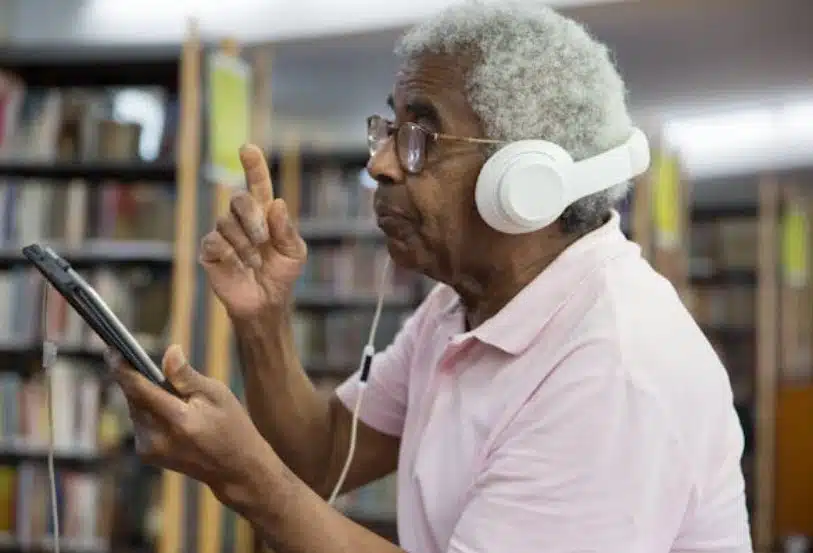
Understanding hearing loss symptoms
Age-related hearing loss, known as presbycusis, is a gradual loss of hearing that limits a person’s ability to hear noises, especially those of a higher pitch. Due to the gradual nature of these changes, it’s not uncommon for these symptoms to go unnoticed long after medical intervention can have tangible benefits.
Common symptoms of age-related hearing loss include:
- Speech from other people sounds mumbled or slurred
- High-pitched sounds are difficult to hear (like a beeping microwave)
- Difficulty understanding conversations, especially in places with background noise
- Men’s voices are easier to hear than women’s
- Some sounds seem very loud and annoying
- A ringing sound (tinnitus) in one or both ears
Why hearing health matters
A loss of hearing can create significant obstacles in an older adult’s life, impacting moment-to-moment safety, physical and mental health, and the ability to remain independent.
Safety
Limited hearing can make it incredibly difficult to detect danger, like the sound of smoke or carbon monoxide alarm, the timer on an oven, or an oncoming car. This can greatly increase the risk of a traumatic injury both at home and in the community.
Physical Health
Undiagnosed hearing loss can take a serious toll on an individual’s long-term health by making it harder to communicate with medical professionals like doctors, making it harder to receive effective treatment, advice, or ask questions that can paint a better picture of your overall health when receiving care.
Additionally, the increased risk of accidents caused by poor hearing often leads to individuals staying inside due to safety concerns, resulting in decreased physical activity and, in turn, reduced exercise and fitness.
Mental Health
Humans are social creatures, and losing the ability to communicate and understand those around you can have serious impacts on long-term mental health.
A loss of hearing can make normal conversation frustrating for both parties and lead to increased social isolation due to a fear of embarrassment. This is particularly significant for those who are homebound, as telephone conversations can be even more difficult than face-to-face chats as the speaker’s face is not visible and the listener has less context clues for what might be said.
Identifying Hearing Loss
While an estimated one in three adults aged 65 and older experience some degree of hearing loss, the condition can often go undiagnosed without active screening.
The best way to identify and resolve difficulty hearing is through regular screenings with a doctor as part of your annual checkup.
If you are concerned about your ability to hear and want to perform a quick check at home, the Beltone company offers an online hearing screening that takes five minutes and only requires an Internet connection, a quiet space, and a set of headphones.
Keep in mind that while these screening tools and symptoms are helpful, they are in no way a replacement for a formal hearing test at a doctor’s office.
Maintaining the abilities to hear and communicate are critical to maintaining long-term independence as you age, and we hope this article has given you the tools needed to identify and address this common challenge.
To learn more about SelectCare and how we have helped New Yorkers live happier, healthier lives since 1985, call SelectCare today, request a free in-home care guide, or get first-hand accounts of our services on our client testimonials page.
Contact us any time, 24/7 with any questions, or to request a free in-home evaluation.