
Medicine Cabinet Spring Cleaning Tips and Best Practices
Despite chilly weather, the spring season is fast approaching, and with it, spring cleaning. There’s no shortage of spring-cleaning projects to take up, but few will have as many direct impacts on your long-term health and safety as a review of your prescription and over-the-counter (OTC) medications kept around the home.
Read on for important safety tips on understanding medication expiration dates, storage, and safe disposal best practices. 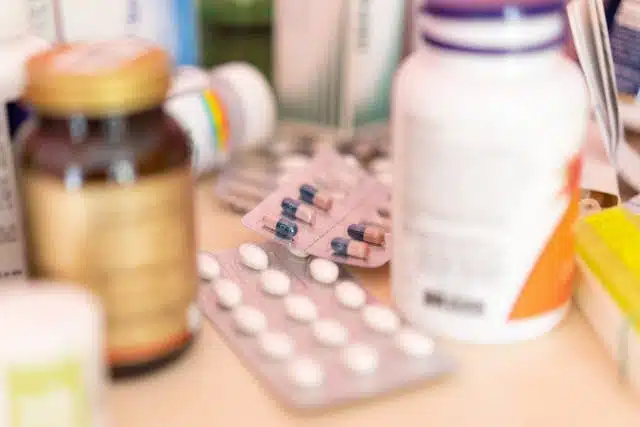
Understanding “use by” and “expiration”
Though they may sound similar, “use by” and “expiration” dates have distinct meanings.
An expiration date is normally set two to five years after the batch of medication was produced and is found on both prescription and OTC medications. This time span is determined by the particular type of medication and defines when, under ideal storage settings, the medication will lose about 10 percent of its effectiveness.
Meanwhile, a “use by” date is typically only seen on prescription drugs and is typically set for a year after the date the medication was issued by a pharmacist. This shorter time period is a safety precaution, because unlike a box of OTC medication, the issuing pharmacist knows that the medication will be stored in suboptimal conditions and thus may lose potency faster than a medication sitting on a store shelf or in a pharmacy’s storage system.
Should I take medications that are past their “use by” or “expiration” date?
When in doubt, it is best to play it safe by removing and replacing medication that has exceeded either its use by or expiration dates.
While common OTC medication like ibuprofen or cold medicine will likely maintain most of its potency past these dates, it’s impossible to know exactly how effective they will remain, and their weakened effect may cause you to take more of the medication in a shorter time span, potentially increasing your risk of negative side effects.
Additionally, there are some drugs and medications that should never be used past their expiration dates. Below are some types of medication that should never be used past their “use by” date:
Anticonvulsants – narrow therapeutic index*
Dilantin, Phenobarbital – loses potency very quickly
Warfarin – narrow therapeutic index*
Procan SR – sustained release procainamide
Theophylline – loses potency very quickly
Digoxin – narrow therapeutic index*
Thyroid preparations – narrow therapeutic index*
Paraldehyde – degrade quickly and can produce toxic byproducts as they degrade.
Oral contraceptives – narrow therapeutic index*
Epinephrine – loses potency very quickly
Insulin – loses potency very quickly
Eye drops – eyes are particularly sensitive to any bacteria that might grow in a solution once a preservative degrades
Liquid medications – lose potency very quickly
Inhalers – lose potency very quickly
* Narrow therapeutic index means that the medication is dependent on a very specifically-sized dose in order to work properly. Since expired drugs have unpredictable potency and the conditions in your body might have changed since the drug was prescribed, you could experience serious side effects from taking these types of medication.
How frequently should I check my medication?
Getting into a regular schedule for checking your medication expiry and use by dates is a great habit to pick up, especially for medications you take infrequently or aren’t commonly used throughout the year. Consider getting in the habit of checking for expired medication every six months, aligning these checks with your semiannual checks on smoke and carbon monoxide detectors around your home.
How can I store medication to preserve potency?
It may come as a surprise, but bathroom medicine cabinets are actually one of the worst places to store medication when trying to preserve their potency. Most medications remain stable longer if kept in cool, dry places with little exposure to light. As you can imagine, a bathroom subject to regular bouts of steamy showers can actually greatly decrease the life expectancy of both prescription and OTC medications.
Instead, consider storing medication in a single, organized bin in a bedroom or kitchen drawer, or stored on a pantry shelf. Additionally, try to keep your medication in the original packaging in which you received it. This packaging is not only designed to retain a medication’s potency, but also means you will always have access to dosing instructions as needed.
What should I do with expired medication?
While the easiest answer would be to throw expired medication in the trash or toilet, these solutions are not recommended. Loose medication in the garbage can contribute to prescription drug abuse, and medication thrown in a toilet can pose a serious risk of contaminating your local water supply.
Instead, consider calling your primary care physician, pharmacist, or area hospitals and ask if they have medication disposal programs. These systems allow for the safe disposal of medication without the attached risks of at-home medication disposal.
If you are unable to find a disposal program, there are steps you can take to ensure your medication doesn’t get into the wrong hands or result in environmental hazards for your community:
1 – Crush the medication (if in pill or tablet form).
2 – Pour the medication into another substance that will make it impossible to recover the medication, like a small bottle of bleach, cat litter, old coffee grounds or sand.
3 – Take the medication mixture and throw it out with the rest of your garbage.
We hope that you found this advice helpful. SelectCare’s staff of home health care experts understand the importance of safely handling medication and we are always available to answer questions about your medication and safety.
To learn more about SelectCare, and how we have helped New Yorkers live happier, healthier lives since 1985, call SelectCare today, request a free in-home care guide, or get first-hand accounts of our services on our client testimonials page..
Contact us any time, 24/7 with any questions, or to request a free in-home evaluation.