
Storm Safety for Older Adults in NYC
New York City can be a beautiful place during a winter snow storm, but the prolonged cold weather and heavy snowfall experienced this winter means that snow banks and ice have remained on sidewalks far longer than we’ve typically experienced in recent years.
Given the surprising amount of snow and ice we’ve seen this year, now is a good time to brush up on some basic safety and preparation tips to ensure you can ride out the rest of the season safely and comfortably.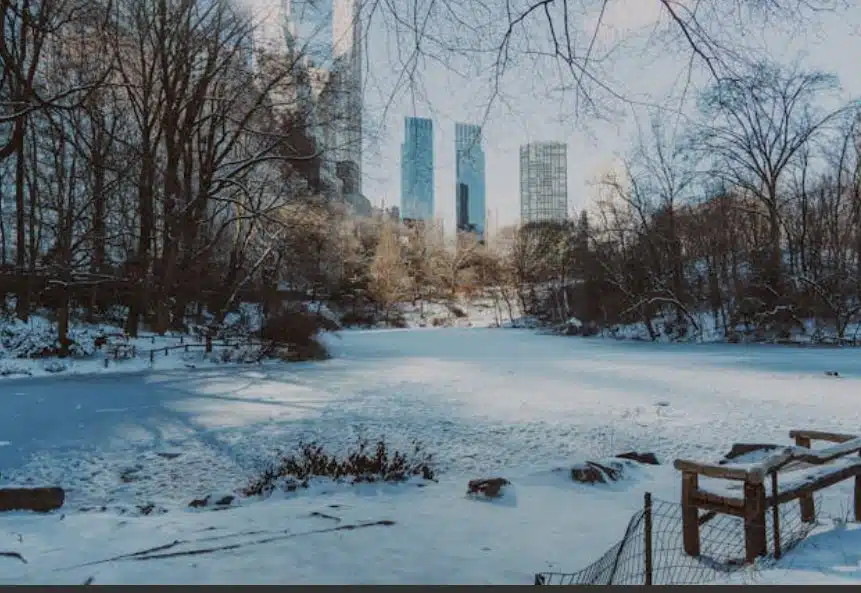
Winter Storm Hazards
- The most common hazards during and after a snowstorm involve the increased risk of slip and fall accidents.
- While less common, underheated apartments can present a risk of hypothermia for those riding out the storm at home.
- While much of NYC’s power infrastructure is safely situated under the sidewalks, power outages are a possibility, and with it, an increased risk of house fires due to candle use.
- Special care should also be taken around space heaters, which while useful for supplementing an apartment’s heating system, present their own risk of fire.
Preparing for a Storm
- Knowing when a storm is expected is absolutely critical to preparation. Notify NYC is a fantastic resource for New Yorkers of all ages. By registering, you can set up your phone to receive text messages when a storm is expected, giving you vital time to prepare. Additionally, staying up-to-date with local news is a great way to stay in the know.
- If you know a storm is on the way, take stock of your home and try to shop for daily supplies so you are not obligated to go out during or immediately after a snow storm. Ideally, your home should have enough supplies for about a week in the event of extremely heavy snowfall.
- When assessing your home supply situation, consider:
-
- Food: Non-perishable foods (soups, canned vegetables, protein bars) are great to have on hand, especially during a power outage. However, be sure to also have fresh foods like fruits and vegetables on hand to ensure you are getting well-rounded, nutritious meals.
-
- Bottled water: while rare, pipes can freeze and burst resulting in a loss of clean water. Keeping a few days of water on hand can be helpful, particularly because transporting water during a storm can be extremely hazardous due to its weight.
-
- Prescription medication: a “quick trip” to the pharmacy can quickly become hazardous following a storm. Try to ensure you have at least a week’s worth of all prescription medication and over-the-counter medication you might need.
-
- Emergency supplies: flashlights, batteries, extra blankets, a battery-powered or hand-cranked radio, and a safe, functional space heater are all useful in the event of a power outage or loss of heat to your building. Also be sure to keep your mobile phone fully charged while at home.
-
- Minimize travel plans: Sidewalks can be extremely difficult to navigate following a storm, so consider planning ahead to minimize the amount of traveling you will do for the week following a snow storm. This includes:
-
-
- Reschedule non-urgent medical appointments
-
-
-
- Contact a local grocery store to find one that offers home delivery
-
-
-
- Coordinate with a friend or family member for check-ins (either in-person or by phone)
-
-
- Wardrobe check: Make sure your winter clothing is in good condition and easily accessible. Long Johns, thermal layers, sweaters, hats, gloves, and heavy coats can often find their way to the back of your closet, but this is their time to shine! In particular, check the condition of your snow boots. Snow boots may not see much action in New York, but checking the condition of the non-slip tread can save you from a serious fall hazard. Also, check the condition of your laces and make sure that they are a type that you can easily tie without undue hand strain.
Prepare Your Home:
- If you have a thermostat, keep it set to at least 68°F. If your apartment is often below this level, read our blog on NYC’s heat and hot water requirements to learn more.
- Check your smoke and carbon monoxide detectors and ensure they are in good working order.
- Consider using heavy curtains and/or weather strips to reduce heat loss through windows.
- Check that your emergency contact and communication binder is up-to-date and readily available.
- Check the condition of your space heater and consider checking the model online to ensure it does not pose a fire hazard. If you plan to use a space heater, clear a safe space free of flammable objects where it can be safely used.
- Brush up on additional winter safety tips for your apartment in our previous winter safety blog.
- Consider keeping a small bag of rock salt, ice melt, sand or kitty litter close to your door. If you must go out, sprinkling some of this material outside your front door can go a long way towards providing traction until the snow is cleared.
Following a Storm:
- Minimize your time outside to emergencies only until the majority of ice and snow is cleared.
- If you must go out, be cognizant of ice that may be difficult to see. Ideally, try to only be outside during daylight hours to make spotting ice easier.
- Good non-slip boots are a must following a storm, and when combined with layered clothing can go a long way towards keeping you safe and comfortable.
- When walking, keep your hands out of your pockets to give you better balance – this is also why good gloves are important!
- If you use a mobility device like a cane or walker, make sure it is in good condition. Brush up on mobility device maintenance and winter walking safety tips here.
- When walking, take small steps and avoid metal surfaces like subway grates and sewer covers, as well as curb edges, as this is where ice tends to form.
- Make mental notes of uncleared patches of snow and don’t be afraid to cross the street or choose alternate paths to minimize the amount of time you need to spend traveling over uncleared snow.
- If a storefront or building has failed to clear the snow on their sidewalk, don’t be afraid to contact 311 to raise a complaint. Current snow clearing rules are as follows:
If snowfall ends between 7:00 AM and 4:59 PM, the snow must be cleared within 4 hours.
If snowfall ends between 5:00 PM and 8:59 PM, the snow must be cleared within 14 hours.
If snowfall ends between 9:00 PM and 6:59 AM, the snow must be cleared by 11:00 AM.
We hope that you found this advice helpful. SelectCare prides itself on our comprehensive emergency preparedness planning we provide for all home health care clients and scheduling practices that ensure our clients and caregivers remain safe during winter storms.
If you or a loved one are concerned about safety due to winter storms, now might be the time to call SelectCare and learn how we have helped New Yorkers live happier, healthier lives since 1985.
Call SelectCare today, request a free in-home care guide, or get first-hand accounts of our services on our client testimonials page.
Contact us any time, 24/7 with any questions, or to request a free in-home evaluation.